Living with MS

I've lived with multiple sclerosis for ten years, and the signs were there long before that. Here I write about what every day life with MS actually looks like: the fatigues, the brain fog, the good days, the setbacks, and the ways I keep adapting. These are personal stories, not medical advice, and when I explain something factual I'll point to reliable sources. If you're living with MS or caring for someone who is, I hope you'll find a little recognition here, and I'd love to hear from you.


"Apparently, We Do This Now": Morning Walks with MS and a Doberman
  •  11/21/2026 04:59 PM
|
6 min read

Living with MS, I walk a mile each morning thanks to my Doberman, Whiskey. Here’s what that routine gives me, from gait practice to a clearer head.

Read More  

MS Cognitive Fatigue and Typing Mistakes: When Writing Used to Feel Easier
  •  11/20/2026 12:58 AM
|
7 min read

My brain skipping words when typing? A personal look at MS cognitive fatigue, typing mistakes, and the extra work behind editing a simple message.

Read More  

The Crap Gap and Getting a Little of Me Back
  •  11/13/2026 01:45 AM
|
4 min read

My experience with the MS crap gap: fatigue, trouble focusing, and everyday struggles before an infusion—and feeling more like myself afterward.

Read More  

What Helped Me Be Heard
  •  11/07/2026 06:47 PM
|
4 min read

Before my MS diagnosis, I rehearsed appointments and questioned myself. How a scrap of paper, persistence, and collaboration helped me feel heard.

Read More  

Whiskey Didn’t Need an Elevator Pitch
  •  11/06/2026 12:39 AM
|
4 min read

A grocery store encounter with Whiskey, my mobility service dog, leads to laughter, an unexpected MS connection, and an elevator pitch gone sideways.

Read More  
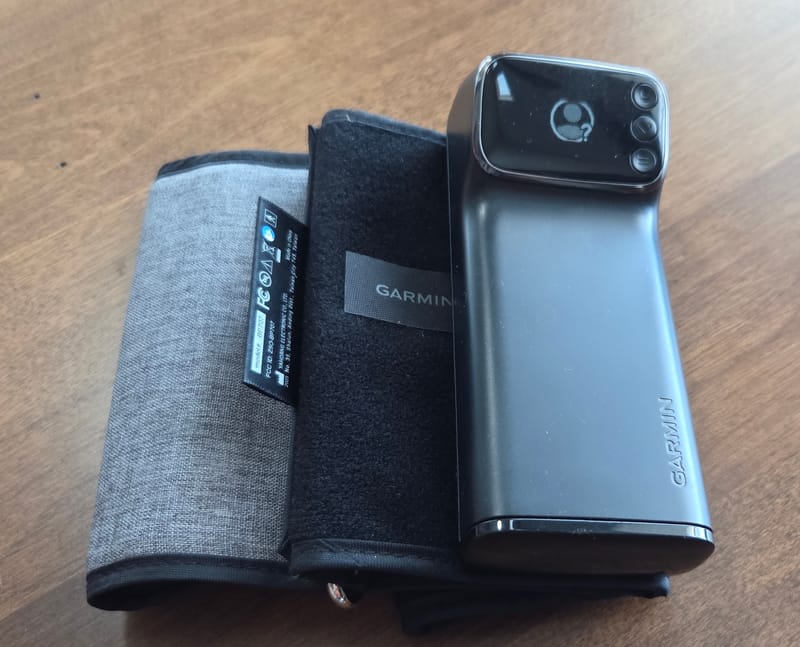
Not Everything Gets to Be MS
  •  10/31/2026 08:55 AM
|
8 min read

Is it MS or something else? A questionable blood pressure cuff and an eventful doctor’s visit capture the uncertainty—and humor—of living with MS.

Read More  

The Month Before My Infusion
  •  10/23/2026 03:15 PM
|
4 min read

Internal buzzing, skipped words, and harder mornings: a personal account of the period I call the MS “crap gap” before my next infusion.

Read More  

The Curtsy
  •  10/23/2026 03:10 PM
|
4 min read

A grocery-store curtsy, a helpful shopping cart, and my husband’s sense of humor offer a glimpse of everyday life with multiple sclerosis.

Read More  

Multiple sclerosis is a chronic condition of the central nervous system, which includes the brain and spinal cord. In MS, the immune system mistakenly attacks the protective covering around nerve fibres, called myelin. This can disrupt the transmission of nerve signals and lead to a wide range of symptoms. MS is not contagious, and its course varies significantly from person to person.
MS symptoms vary widely because the condition can affect different parts of the central nervous system. Common symptoms include persistent fatigue, numbness or tingling, vision changes, balance and coordination difficulties, muscle weakness or stiffness, bladder or bowel changes, and cognitive issues such as reduced concentration or memory. Heat sensitivity and symptom fluctuation are also common. Because symptoms can overlap with other conditions, they should be discussed with a qualified healthcare professional. Disability services and support organisations can help individuals access allied health, equipment, and everyday living supports.
People living with multiple sclerosis may benefit from a coordinated support team that can include neurologists, MS nurses, physiotherapists, occupational therapists, speech and language therapists, psychologists or counsellors, and social workers. Disability services and support organisations can assist with mobility aids, home modifications, personal care, employment accommodations, respite, transport, and access to financial or benefits advice. Peer support groups and community networks can also reduce isolation and provide practical guidance. Because needs vary, an individualised support plan is recommended.
Living with MS is part of my personal journal. I write about my symptoms, routines, treatment experiences, and the feelings that come with them. These stories describe my life rather than provide medical advice. Questions about your own symptoms or treatment belong with your healthcare team, because your experience and needs may differ from mine.